Southington Chimney Services
A proper chimney inspection gives you clarity about one of your home’s most complex systems. It’s not just whether smoke goes up and out; safety depends on clearances to combustibles, the integrity of the flue liner, how components transition from the firebox through the smoke chamber, and whether water has compromised the masonry or metal along the way. In Southington, CT—where winter cycles and spring storms can punish exterior crowns and flashing—subtle defects can develop out of sight long before symptoms appear inside. Our job is to make the invisible visible, and to translate technical findings into plain advice you can act on.
At Southington Chimney Services, we structure every inspection around nationally recognized levels of evaluation. A Level I inspection is the baseline annual check for systems under continued service with no known changes. A Level II inspection is required when a property changes hands, after a fire or seismic event, or any time the appliance or venting has been altered—such as lining a flue, converting an open fireplace to an insert, or switching fuel types. While the scope differs between levels, our approach is consistent: careful observation, diligent documentation, and candid recommendations aligned with safety and code awareness for central Connecticut homes.
If you’re buying or selling a home in Southington, a Level II chimney inspection protects everyone’s interests. Buyers gain clarity about safety and upcoming maintenance; sellers avoid surprises late in a transaction. Inspections are also important when smoke spillage, persistent odors, or poor draft suggests an underlying defect; when you suspect animals or storm damage; or when installing new equipment that will vent through an existing chimney. Because many issues begin at the crown and flashing—points that manage water entry—an inspection after major weather events can catch problems early, before moisture travels down and stains interior walls or corrodes metal components.
A safe, efficient chimney is a system of parts working together. We evaluate the firebox for loose or missing mortar, check that the damper opens fully and seals when shut, and confirm that smoke-chamber transitions are smooth and properly parged to direct exhaust into the flue. In masonry chimneys, we assess tile liners for cracks, gaps, or offset joints that can leak heat and byproducts; for stainless liners, we evaluate sizing, support, and the condition of seams and connections. At the exterior, we inspect crowns for cracking, chase covers for rust, brickwork for spalling, and flashing for separation where the chimney meets the roof. A missing or undersized cap is a common cause of repeat water entry and animal intrusion; we check fitment and recommend upgrades where needed.
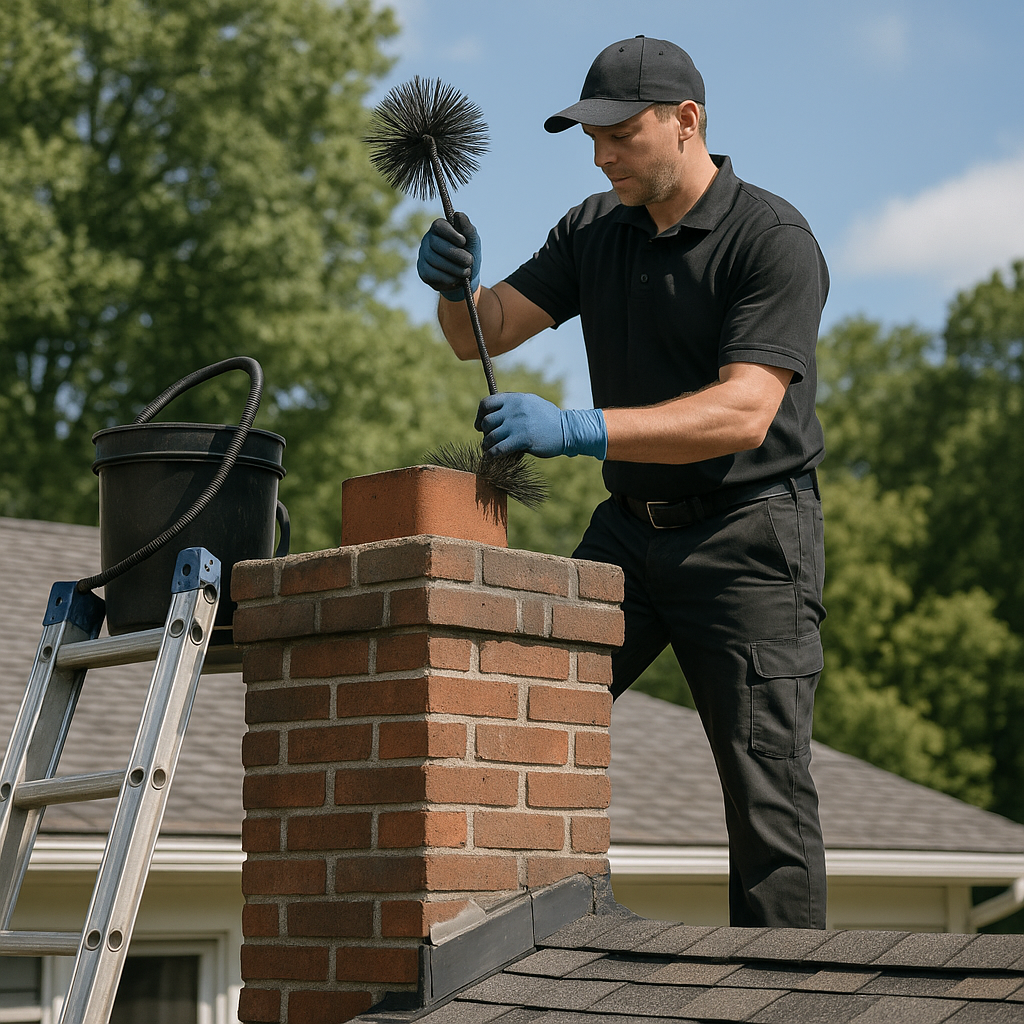
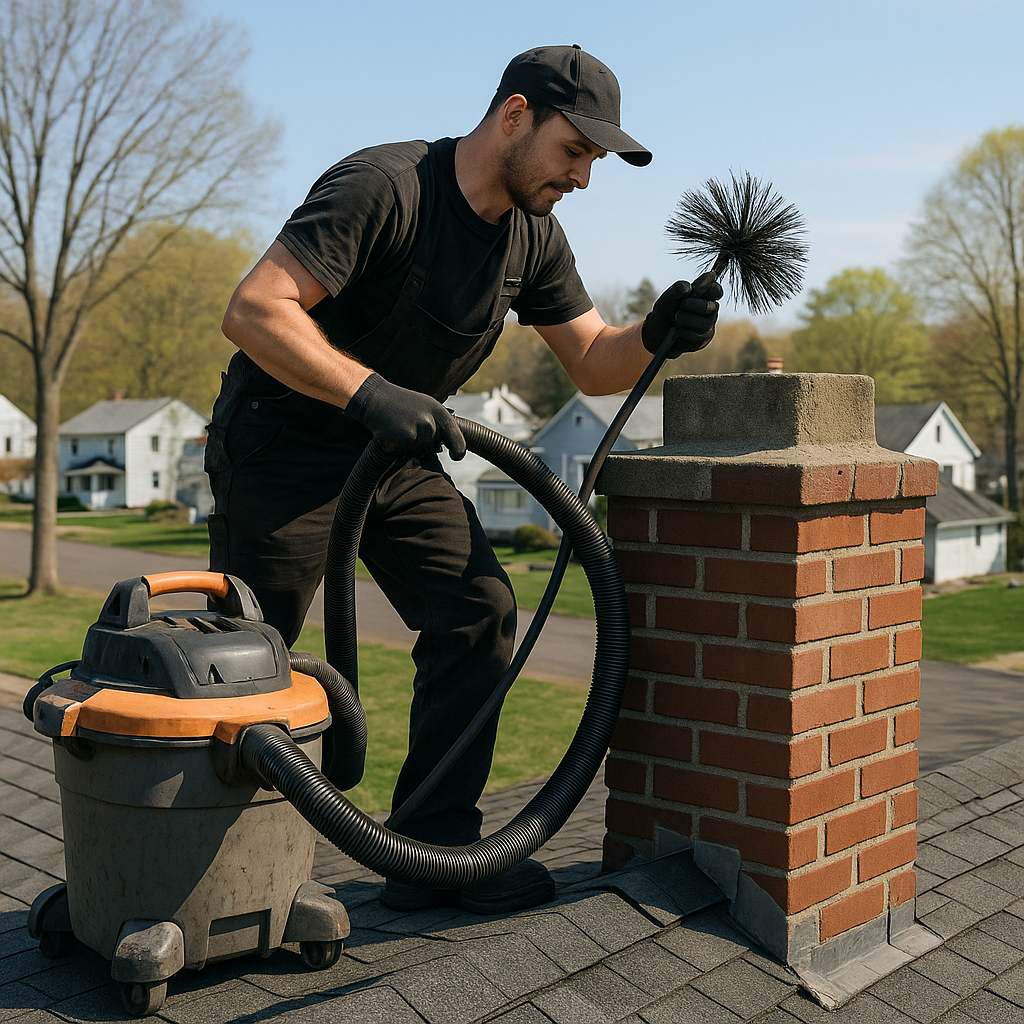
Not every defect can be spotted from the firebox with a flashlight. Where appropriate—especially during Level II inspections—we use camera equipment to view interior liner surfaces and joints. Video or still images let us document tile fractures, missing mortar between tiles, warped stainless sections, or glazed creosote that obscures the liner. This evidence makes recommendations concrete: you can see what we see, which helps prioritize repairs and budget realistically. It also avoids guesswork; rather than proposing “might-be” fixes, we propose solutions matched to conditions we can show you.
A Level I inspection is a visual check of readily accessible components—firebox, damper, smoke chamber, and portions of the flue that can be seen without specialized tools or removing permanent parts of the home. It is suitable for systems with no changes and no known hazards, typically performed annually alongside routine sweeping. A Level II inspection is more involved: we examine accessible portions of the chimney in attics, crawl spaces, and basements; evaluate clearances to combustibles; and use video equipment to view the entire flue interior. Level II does not open walls but provides the depth of information the real-estate market and insurance carriers expect after changes or events. If we discover a condition that suggests hidden damage—such as evidence of a past flue fire or severe structural compromise—we may recommend a Level III inspection, which involves opening access to hidden areas; this is uncommon and discussed thoroughly before any action.
In Southington’s freeze–thaw climate, moisture is the chimney’s most consistent adversary. Microscopic cracks in a crown allow water to penetrate; when temperatures drop, trapped moisture expands and enlarges those cracks. Over time, this cycle weakens crowns and encourages masonry spalling. We pay special attention to these areas during inspection, including the junction where flashing protects the roof from water entry. A well-sized stainless cap with a solid lid and protective mesh prevents direct rainfall and deters animals, but it cannot compensate for a failing crown. If we see early deterioration, we’ll recommend targeted repairs like crown resurfacing, flexible flashing sealants, or a new cap to stop the cycle before interior damage develops.
Homeowners often call about smokiness or a fireplace smell on humid days. Draft is a balance of chimney height, liner sizing, temperature differences, and how the home’s mechanical systems move air. Kitchen hoods and bath fans can inadvertently compete with a chimney, turning a gentle negative pressure into a room full of odor. During inspection, we consider these dynamics. A top-sealing damper can help by sealing tightly at the flue top, minimizing the stack effect that pulls odors into living spaces when the fireplace is idle. We also look for soot-impregnated smoke chambers, which absorb and release odors long after a fire has gone out; smoothing and sealing those surfaces can be part of a long-term remedy.
An inspection frequently answers the question, “Do I need to reline?” If tiles are cracked or missing, joints are open, or the flue is oversized or undersized for the connected appliance, relining is the safest path to restore performance. Modern stainless steel liners—insulated when required—can correct sizing, improve draft, and contain byproducts at high temperatures. We match liner diameter to the appliance and flue height, and we design transitions from the smoke chamber or appliance connection that minimize turbulence. If we recommend relining, you’ll receive a clear rationale and options that weigh longevity, efficiency, and cost, all tied back to the inspection findings we documented.
After every chimney inspection in Southington, CT, we provide a concise, photo-backed summary. We categorize observations by priority—safety-critical, maintenance, and cosmetic—so you can plan intelligently. For real-estate transactions, we tailor the summary to your timeline: agents and attorneys appreciate direct, clear language that focuses on safety and function without alarmism. If repairs are indicated, we include recommended next steps and can coordinate estimates for masonry restoration, crown rebuilds, flashing repair, cap and damper upgrades, or relining as needed.
To help us work efficiently, please refrain from using the fireplace or appliance for at least 24 hours before your appointment. Move delicate items a few feet from the hearth so we can set containment, and make sure we have access to the basement or attic if your chimney passes through those spaces. If roof access is needed, we’ll review our safety plan on site. Our technicians arrive during a clear arrival window, wear shoe covers, and respect your home. We’re happy to answer questions throughout the visit—our goal is not just to inspect, but to educate.
We see patterns that reflect local construction and climate. Many older masonry chimneys include clay tiles with mortar joints that have gradually receded, leaving gaps where heat and byproducts can escape. Crowns poured thin or without proper overhangs tend to crack prematurely; water then finds pathways downward, showing up as efflorescence on interior masonry or as stains on adjacent drywall. Flashing can separate along roof replacements, and old throat dampers rust or seize. None of these observations are reasons to panic; they are reasons to plan. By addressing early, targeted repairs, homeowners avoid larger structural work later.
We keep pricing straightforward and communicate before any work begins. Level I inspections are often performed alongside sweeping at a combined rate; Level II inspections, which include camera documentation and additional access, are quoted based on the chimney’s height, accessibility, and appliance configuration. If a hidden problem demands more time or a specialized follow-up, we explain options before we proceed. Our office coordinates dates that fit your schedule, and for real-estate transactions we prioritize fast turnaround so you can keep momentum.
Southington families trust us because we show up on time, work neatly, and provide information that’s useful rather than overwhelming. We’re not in the business of selling repairs you don’t need; we’re in the business of making your home safer and your decisions easier. The photos we capture are yours to keep, and we’re available to review them with your contractor, buyer, or insurance adjuster if questions arise. Our reputation grows through referrals—neighbors telling neighbors that our team is patient, professional, and committed to doing the job right.
Whether you need an annual check before burning season or a Level II inspection for a property sale, we’re ready to help. Call (860) 362-4594 or request an appointment. We’ll confirm details, set expectations, and deliver a clear, photo-backed report you can rely on.
Schedule InspectionHelpful answers
Level II is the market standard when a property changes ownership. It documents the flue interior and accessible portions of the system, which protects buyers and sellers by clarifying safety and maintenance items before closing.
Often yes, especially to evaluate crowns, caps, and flashing. We use safe access methods and review the plan with you. If roof conditions prevent access, we’ll discuss alternative evaluation points and reschedule as needed.
Frequently. Many homeowners pair a Level I inspection with a sweep before heating season. For Level II inspections, we may recommend sweeping first if heavy deposits would obscure camera views of the liner.
We provide a clear summary with photos promptly after the visit and remain available to answer follow-up questions. For real-estate timelines, let us know your deadlines and we’ll prioritize accordingly.
Clear reporting • Photo documentation • Local experts


 Aidan B., Southington
 Recently